
The ontology-powered
AI platform for telco
The Totogi Ontology sits on top of your existing BSS, OSS, and Network,
unifies how your business is represented, and enables AI to
understand, reason, and act across your entire estate.

AI scales on context,
not chaos.
AI can drive telco transformation with smarter decisions, instant migrations, and a wealth of new experiences and capabilities. But AI can only reason and act in an environment it fully understands. In today’s fragmented, multi-vendor stacks, that understanding is missing.
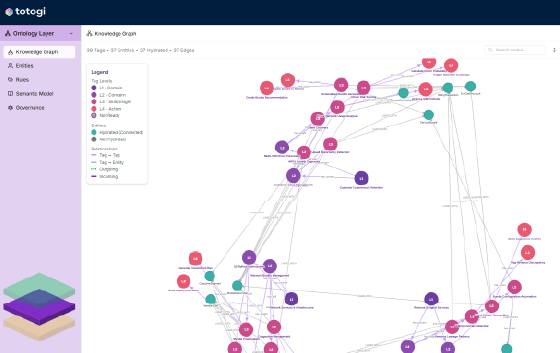
A telco-specific executable knowledge graph
The Totogi Ontology encodes and normalizes entities, processes and actions from siloed telco applications into a single semantically coherent digital twin of your business, enabling AI to reason and safely execute across your telco, hallucination-free.
No rip and replace
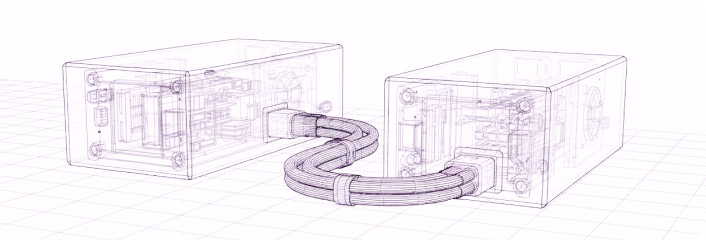
There is no need to replace any of your existing systems. Connect your systems without disruption, unify semantics without migration and add capabilities without replacing infrastructure.

Map once. Govern everywhere.
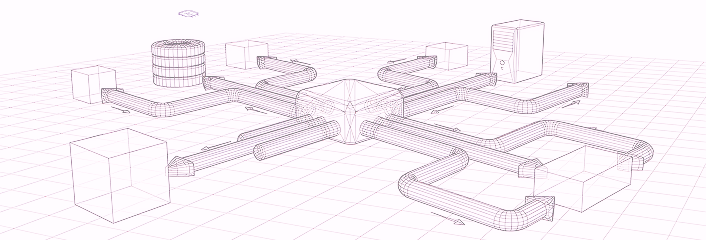
No more brittle, point-to-point integrations – every system maps once into canonical definitions. Integration complexity collapses from N² to N, and AI reads from one semantic model instead of reconciling contradictions.

TM Forum and 3GPP standards
The Totogi Ontology operationalizes TM Forum ODA and 3GPP standards – transforming canonical models into executable semantics across BSS, OSS, and network systems.
Collapse insight-to-action gap
AI insights create value only when they trigger coordinated action. The Totogi Ontology enables AI to orchestrate execution across systems in seconds, not weeks.

Tangible outcomes
Operate your telco as one governed system. Migrate any application and deliver new capabilities to production in weeks, not months. Execute across your estate with confidence.
THE TOTOGI ONTOLOGY LETS AI SCALE IN TELCO
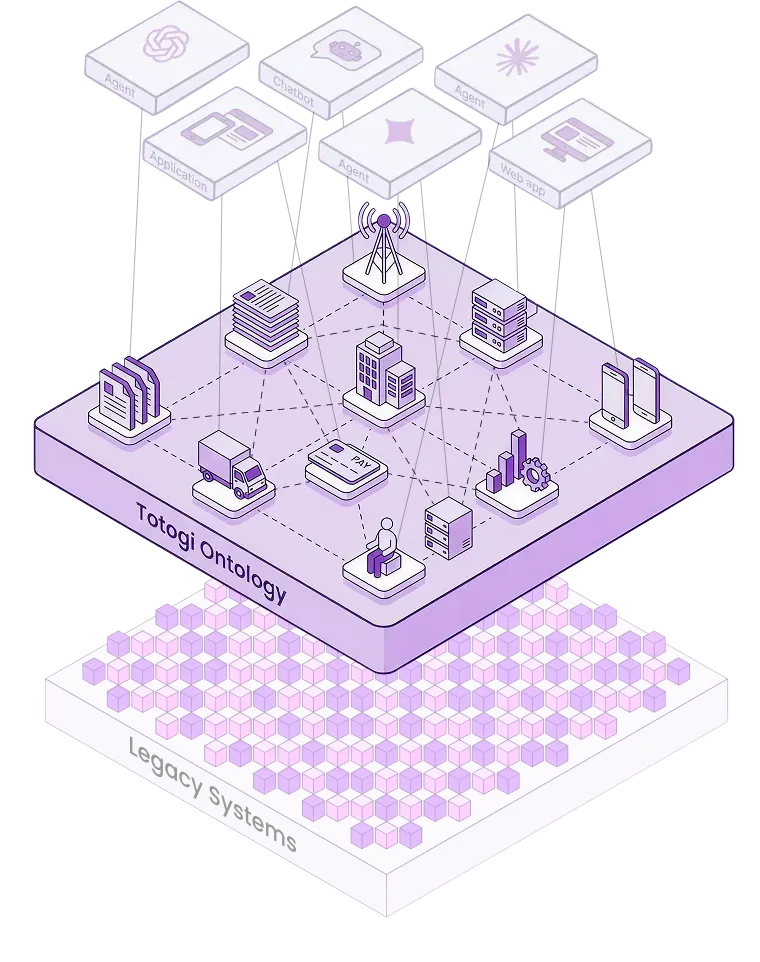
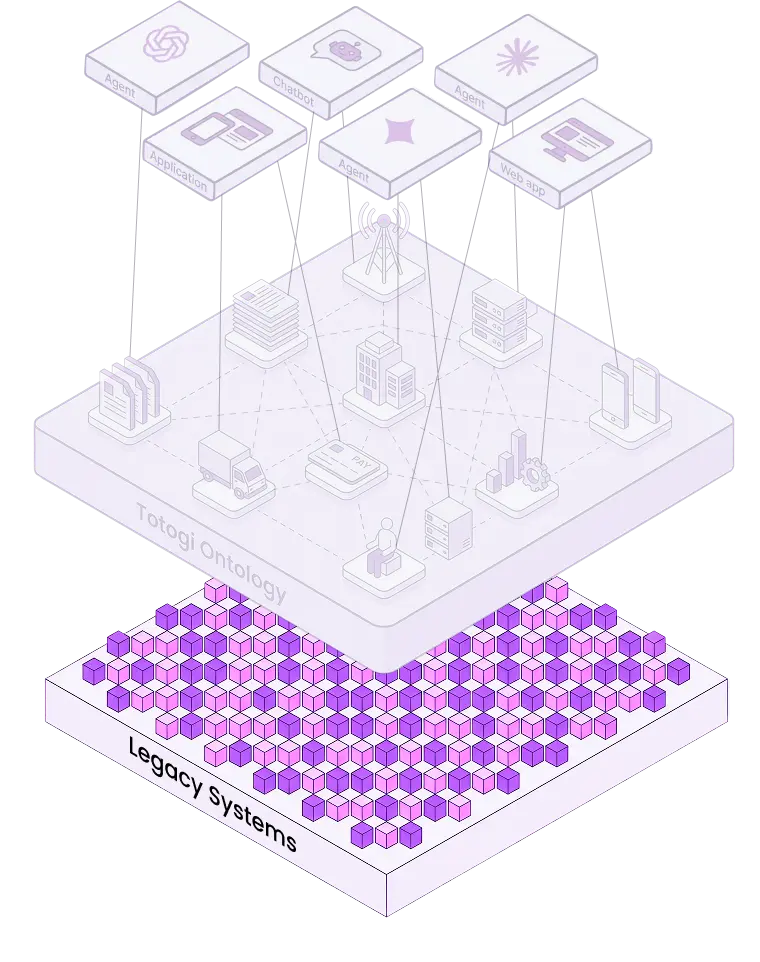
AI capabilities
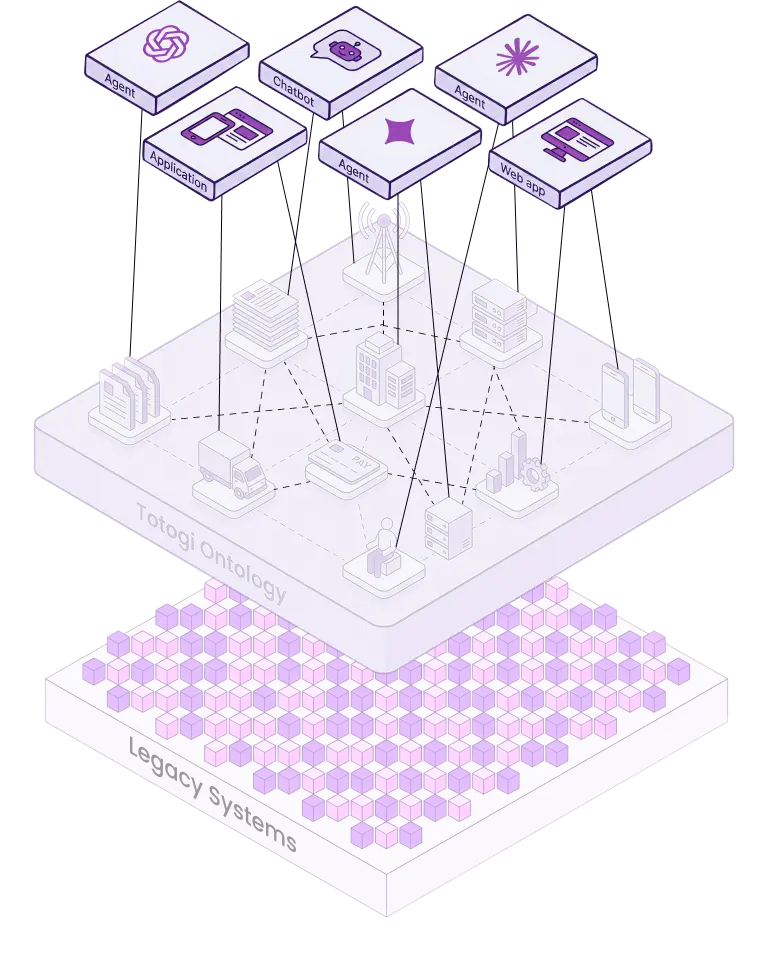
- Any AI technology: use agentic systems, RAG, or create simple chat applications.
- Any LLM becomes telco-trained. It can infer, reason, and act with confidence in a telco setting.
- Generates production-grade code using the context provided by the ontology
Ontology layer
- Unifies disparate data, logic and actions retrieved from legacy system into a semantic layer
- Normalizes every entity, process and action to TM Forum SID, ODA, ETOM and 3GPP standards.
- A common language for all systems that lets any AI get the context it needs to know your telco
- No data retained: use any storage, any compute and any AI.
Data layer
- Connectors to any telco application without rip-and-replace.
- Retrieve the entities, business logic, and the related real-world actions of each application and the people who operate it.
- Connects once, understands forever. Instead of hundreds of point-to-point integrations, each application maps once to the ontology.
One telco ontology –
Endless possibilities
The Totogi Ontology gives AI the context it needs to scale and deliver results: generate revenue, deploy new capabilities, and more – without replacing a single system.
Understand & preempt
Turn noise into decisions
Most CSPs have more dashboards than decisions. Data sits in silos, and every domain tells a different, partial story about what is happening with customers and revenue. The Totogi Ontology aligns entities and events across systems, so insight is generated against a single, consistent view of the business.
- Unify data ingestion with real time context from BSS, OSS, CRM, network, and channel data.
- Identify relationships and correlation between events taking place on disparate systems and understand propagation patterns.
- Surface leakage, broken journeys, and systemic failures before they hit NPS or the P&L
The result is semantic observability: leaders and teams can act on the same reality – and AI can act with confidence.
Migrate & consolidate
Stop burning years and budget on migrations
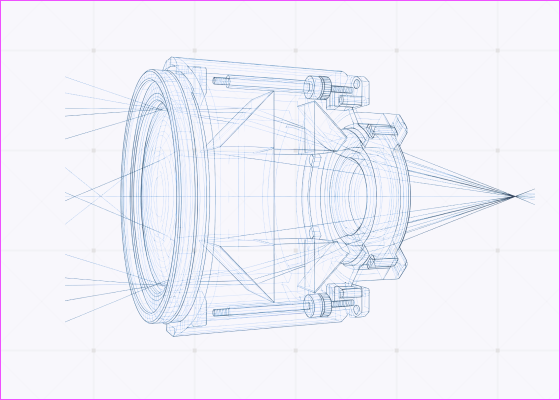
Migrations fail less on technology and more on misunderstanding: no one has a complete, formal map of how the old world relates to the new. Rules, bundles, and edge cases live in spreadsheets, rule engines and people’s heads. The Totogi Ontology builds that map in the ontology first, then lets AI help design, validate, and execute the move.
- Model legacy and target systems in one telco ontology, exposing gaps and incompatibilities up front.
- Use AI to propose data and process mappings and to automatically check them against real business constraints.
- Simulate and validate migrations before cutover, reducing surprises, rework, and rollout risk.
Instead of a one-off hero project, migration becomes a repeatable, ontology-driven capability that shortens timelines and brings benefits forward.
Create & modernize
Turn semantic consistency into an engine for innovation
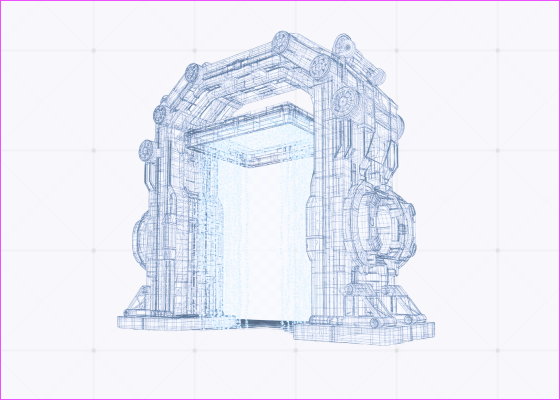
Most “new” applications in telco are still integration projects in disguise: every change requires custom wiring between systems that barely agree on meaning. The Totogi Ontology flips this. Once the stack is expressed in a telco ontology, AI can safely assemble new capabilities on top of shared semantics instead of reinventing integrations each time.
- Let product and business teams describe intent, while AI generates APIs, flows, and agents guided by the ontology.
- Enable cross-domain use cases – CPQ, care, charging, network and more – to be built once and reused across channels and segments.
- Accelerate time-to-market for new offers and experiences while driving down the cost and risk of each release.
Creation stops being a sequence of brittle integrations and becomes a systematic way to ship AI-powered capabilities that grow revenue and margin.

Totogi's approach
Most vendors still think in boxes. They sell new stacks to replace old ones, bolt generic copilots onto UIs, or treat telco as just another vertical. The result is multi-year programs, more complexity, and AI that never escapes the pilot phase.
The Totogi Ontology does things differently
- Sits on top of what already runs, turning a fragmented estate into one AI-ready system.
- Encodes telco-specific meaning in an ontology, instead of hiding semantics in integrations and people’s heads.
- Makes any LLM telco-smart by feeding it structured context and guardrails, not a one-off “telco LLM” science project.
- Lets teams start in one painful domain – like a migration or CPQ mess – and expand once value is proven.
You don’t need to start with a massive transformation.
Start with one hard problem.
Pick a painful domain –
consolidation of systems, quote-to-order failures, revenue leakage,
or cross-system observability. We’ll show how AI can solve this.
Explore AI insights and case studies

Eliminate semantic chaos and make AI scale
See the Totogi Ontology in action
Frequently Asked Questions
Totogi Telco Ontology is an ontology-powered AI platform for telecom. It overlays your existing BSS, OSS, and network systems, unifies how your business is represented, and gives AI the context it needs to understand, reason, and act across your entire estate. Think of it as a telco-specific, executable knowledge graph that turns fragmented systems and inconsistent definitions into one governed semantic model—so AI can operate confidently across domains rather than guessing or reconciling contradictions system-by-system.
A data lake is primarily storage: it centralizes raw and curated data (events, logs, CDR/EDR, customer records) so you can query and analyze it. But a lake doesn’t inherently resolve meaning—it won’t tell you how “customer,” “product,” “balance,” “order,” or “session” should be interpreted consistently across BSS/OSS/network, nor does it capture the process and action semantics needed for execution.
An ontology is a semantic layer / executable knowledge graph: it normalizes entities, relationships, processes, and actions into governed definitions so AI can reason and safely orchestrate work across systems. Totogi Telco Ontology can use any storage (including your own S3 data lake) and retains no data—it’s the meaning-and-action layer that sits above your data.
A data lake can help, but it doesn’t resolve semantic inconsistency by itself.
A data lake centralizes data, and solves the the data availability and access problem. But in order to effectively reduce semantic inconsistency, a data lake must be paired with robust data governance, data cataloging, and a semantic layer. But those are extra semantic disciplines layered on top of the lake, rather than inherent properties of storage.
Semantic inconsistency in telco is usually bigger than data format: systems barely agree on meaning, and the same entity/process/action is defined differently across domains and vendors. Totogi Telco Ontology unifies data, logic, and actions into an executable semantic layer, maps each system once into canonical definitions, and lets AI operate from one a digital twin of your telco – semantic model that represent your real-world telco in a machine-readable format. It can sit above (and work with) your existing data lake.
The Totogi Ontology is not a copy of your data. It’s the operational interface to your systems. It encodes what things mean, how they relate, which actions are valid, and what the business rules are — across every system you run. When AI acts through the ontology, it acts on controls, not copies. Invalid actions aren’t flagged after the fact. They’re architecturally impossible to attempt.
No. The Totogi Telco Ontology is designed as an overlay, not a replacement. You connect it to your current environment, map semantics without migrating everything, and add new AI-driven capabilities without disrupting what already runs. This is especially valuable in multi-vendor estates where transformations often stall due to integration burden and unclear ownership of business logic. The goal is to modernize “from the top” by standardizing meaning and actions first—then improving execution speed and safety across existing systems.
It means the ontology doesn’t just document entities—it connects entities, processes, and actions from siloed telco applications into a single semantic digital twin of your business. It encodes what things mean, how they relate, which actions are valid, and what the business rules are — across every system you run. By doing so, it enables AI to move from insight to execution, instead of generating recommendations. AI can orchestrate coordinated actions across systems (e.g., CPQ + charging + care + network) based on governed definitions and guardrails. This collapses the insight-to-action gap from weeks of manual work to seconds of orchestrated execution.
Totogi Telco Ontology replaces brittle point-to-point integrations with a simpler model: map each system once into canonical definitions, then govern and reuse those semantics everywhere. In practical terms, integration complexity drops from N² to N because systems stop translating directly to each other—each one maps into the ontology. That also means AI reads from one coherent semantic model instead of reconciling conflicts across multiple schemas, APIs, and data meanings.
Totogi operationalizes telco standards by normalizing entities and actions to TM Forum frameworks (including ODA, SID, and eTOM) and 3GPP concepts where relevant—turning “canonical models” into executable semantics across BSS, OSS, and network systems. This isn’t a slide-only compliance story; it’s about creating a common language so integrations, governance, and AI execution can scale across vendors and domains without constant rework.
You can bring any AI technology—agentic systems, RAG, or chat apps—and plug in your preferred LLMs. Totogi’s approach is to make any LLM “telco-smart” by providing structured context and semantic guardrails from the ontology, rather than betting on a one-off “telco LLM” project. As models evolve, your semantic IP remains stable, because the ontology is the durable layer that keeps meaning, policies, and execution constraints consistent.
Telco connectors integrate with any telco application (including vendor and homegrown systems) without rip-and-replace. They retrieve the entities, business logic, and real-world actions of each application—plus operational knowledge about how people run it—then map that into the ontology. The key idea: “connect once, understand forever.” Instead of building hundreds of fragile integrations, each system maps once to the ontology, and becomes reusable across new workflows, channels, and AI agents.
The outline highlights three core use-case clusters:
Understand & Preempt: unify events and entities across BSS/OSS/network so leaders act on one consistent reality (“semantic observability”).
Migrate & Consolidate: build a formal map between legacy and target systems, use AI to propose/validate mappings, and simulate migrations before cutover to reduce risk and timelines.
Create & Modernize: stop treating “new apps” as integration projects; let teams describe intent while AI generates APIs/flows/agents guided by shared semantics.